Proposed Federal Budget Cuts Behavioral Health Funding and Changes How It Is Delivered
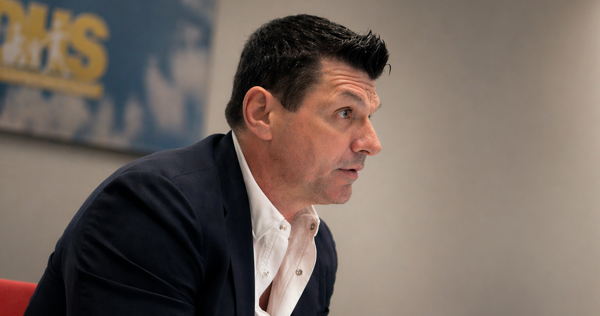
Statement from Jim O’Connor, Executive Director of the Second Story Foundation
As federal and state governments evaluate behavioral health funding and delivery systems, it’s clear that we are entering a period of significant structural change. In Illinois, we’ve already seen this reflected in the consolidation of programs within the Illinois Department of Human Services, as divisions are reorganized to improve coordination and efficiency.
At the federal level, proposed budget adjustments and shifts in how funding is deployed are part of a broader effort to manage long-term fiscal pressures while improving system performance. These are complex challenges, and any changes must ultimately be judged by whether they strengthen outcomes for the people most in need.
At The Second Story Foundation, our focus remains consistent: supporting individuals facing severe substance use disorder, housing instability, unemployment, and poverty in achieving durable, long-term recovery and independence. That means investing in community-based organizations that can produce measurable outcomes, such as stable housing, workforce participation, and sustained recovery, rather than simply delivering services.
Just as importantly, it means prioritizing models that lead to long-term sustainability, helping people exit cycles of dependency, rather than unintentionally reinforcing systems that manage poverty and addiction in place over time.
We recognize that thoughtful consolidation and new funding approaches, if implemented well, can create opportunities for more effective, outcome-driven models of care. We are encouraged by efforts that prioritize accountability, coordination, and measurable results.
If evolving federal and state strategies help expand funding to approaches that produce lasting recovery, economic participation, stable housing, and high return on investment, we welcome those developments and stand ready to partner in delivering that impact.
“A reduction of several hundred million dollars will show up where care actually happens, in programs already operating with very little margin for error.”
– Jim O’Connor, Executive Director, Second Story Foundation
“Communities need consistent funding to build recovery housing and long-term stability. Changes like this introduce uncertainty into systems that depend on continuity.”
– Jim O’Connor, Executive Director, Second Story Foundation
“The question is how this structure supports real recovery outcomes over time and whether it holds up beyond the policy level.”
– Jim O’Connor, Executive Director, Second Story Foundation
About The Second Story Foundation
The Second Story Foundation helps men in early recovery from severe substance use disorder rebuild their lives with stability, purpose, and community. The organization provides recovery housing, meaningful work, and comprehensive support designed to promote lasting change. Its programs combine structure, employment, and fellowship to restore dignity and independence.
The Foundation operates residential recovery homes in Chicago’s south suburbs and is developing the 68-acre 2nd Story Ranch in Crete, Illinois. The ranch will serve as a residential recovery community where participants live, work, and grow through service, equine care, and skill-based training. The lodge and residences will house up to 14 men and include space for counseling, education, and community events.
The Second Story Foundation is a 501(c)(3) nonprofit organization dedicated to helping men build lives of integrity, connection, and hope. Through compassion, structure, and shared purpose, the foundation supports transformation that endures.
Support recovery and second chances. Give today.
© 2026 The Second Story Foundation.