A 68-acre horse farm in Will County will be transformed into a residential rehabilitation center for men recovering from addiction.
Hwang So-jeong | Hanin Chicago (June 13, 2025)
Hwang So-jeong of Hanin Chicago, a daily Korean language news outlet, spotlights Second Story Ranch in Crete, Illinois, a 68-acre horse farm developed by the Second Story Foundation to support men in early recovery. The ranch provides stable housing, structured work, and a path to employment and independent living in a setting designed to strengthen long-term sobriety.
National survey data show that roughly 1 in 10 Asian American adults who need substance use treatment do not receive it, a gap often linked to stigma, language barriers, and limited culturally responsive care.


A 68-acre horse farm in Will County will be transformed into a residential rehabilitation center for men recovering from addiction.
An old horse racing training facility has been reborn as a recovery program. The nonprofit Second Story Foundation provides rescue and employment opportunities, allowing up to 15 men to live long-term, with horse care and land management also included.
Hwang So-jeong
25-06-13 08:06
Once a historic horse training facility in the suburbs, the Crete Horse Farm in Will County has a new role to play: it will become a long-term home and workplace for men recovering from drug addiction.
Formerly known as Double Dakota Farm, the farm fell into neglect as interest in harness racing waned. While some horse owners still keep their horses there, it has long since lost its former vibrancy.
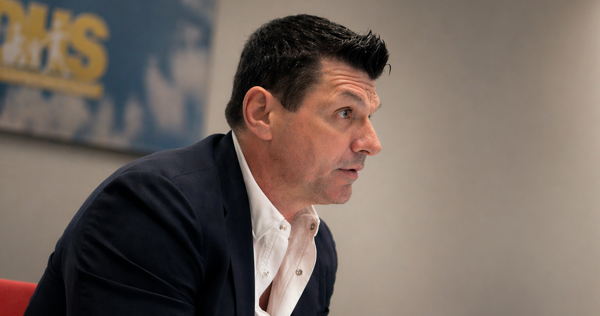
The facility was recently sold to Jim O'Connor, executive director of the Second Story Foundation. O'Connor is a licensed alcohol and drug addiction counselor and heads a nonprofit that helps men in the early stages of recovery.
The Second Story Foundation plans to use the 68-acre farm to provide housing and jobs for men who complete a 28-day addiction treatment program, helping them reintegrate into society.
Program participants will initially receive a stipend for six months to a year, performing tasks such as land management, facility maintenance, and horse care. After a period of stable recovery, they will transition to paid employment within the community, and will be able to live on the farm rent-free during this period.
Another key aspect of this program is "equine-assisted recovery." The farm currently houses approximately 50 Standardbred racehorses, with plans to dedicate ten stables exclusively to program participants. In the future, the program will also include equine-assisted therapy, a form of treatment involving horse care.
"Spending time with horses and caring for living creatures can be a powerful turning point in recovery," said O'Connor, who has his own experience with addiction treatment, citing the saying, "Horses give us wings we don't have."
A new 7,000-square-foot lodge will be built on the farm, housing up to 15 people full-time. Construction is scheduled to begin this fall as soon as funding is secured, with completion targeted for next summer.