Federal Guidance Points to Recovery Housing as a Core Use for Opioid Settlement Funds
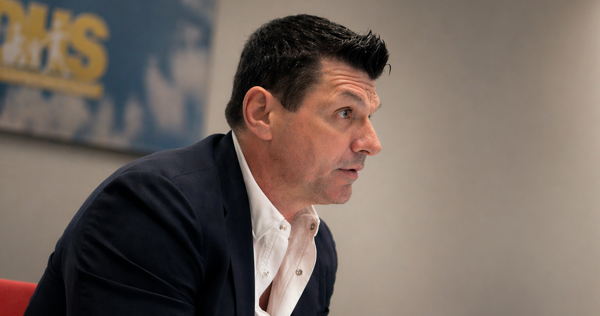
Statement from Jim O’Connor, Executive Director of the Second Story Foundation
In its 2026 report Recovery Housing: Funding Sources and Financial Sustainability, SAMHSA outlines how recovery housing supports long-term outcomes and identifies opioid settlement funds as an existing source for capital investment. Jim O’Connor, executive director of the Second Story Foundation, offers perspective on how this guidance applies to recovery housing, workforce-based models, and post-treatment stability in Illinois.
SAMHSA’s latest guidance reflects a shift that many providers have been working within for years. Recovery housing is increasingly treated as a core part of the system that supports long-term stability after treatment.
The agency’s 2026 report states that “recovery housing has been shown to improve various outcomes such as decreased substance use, reduced likelihood of relapse, lower incarceration rates, higher income, increased employment, and better family relationships.” The same report notes that financing remains a barrier and outlines funding strategies to sustain recovery housing as an essential component of long-term recovery.
This aligns with current conditions in Illinois. Treatment is widely funded, but many individuals leave without a stable place to continue recovery. In practice, this can lead to repeated use of emergency rooms, detox, and residential care when stability does not hold. Outcomes after discharge are closely tied to the availability of a structured recovery environment.
The 2nd Story Ranch Recovery Home and Jobs Program is designed to operate in that space. The model combines housing, daily work, peer support, and routine in one setting. Residents live in a structured environment, take part in regular work, and build the skills required for independent living over time. This approach reflects a broader understanding of recovery capital, where stability develops through consistent participation and accountability.
In many cases, the period after treatment carries the highest risk of relapse. Individuals often leave with limited income, unstable housing, and few support systems in place. Programs that address these factors together tend to produce more consistent outcomes over time. Housing, work, and peer support function as connected elements within a single environment.
Funding systems have historically focused on clinical care. Discharge is often treated as a milestone, even though it marks the beginning of a more complex phase of recovery. Without a structured setting, gains made during treatment can be difficult to maintain. This pattern contributes to repeat use of high-cost services across the system.
SAMHSA’s report provides additional clarity for states and funders. Recovery housing plays a central role in connecting treatment to long-term stability. It also strengthens the return on prior public investment by supporting sustained outcomes.
Opioid settlement funds present a practical mechanism to address this gap. Illinois has already approved these funds for capital use. Directing them toward recovery housing can support more stable transitions, reduce repeat admissions, and extend the impact of existing treatment spending.
The 2nd Story Ranch is positioned within that framework. It represents a capital investment in a setting where individuals can stabilize, build work habits, and transition toward independent living. Expanding this type of infrastructure allows systems to support recovery in a more continuous and practical way over time.
Jim O’Connor is the founder and executive director of Second Story Foundation, a Chicago-area nonprofit that provides long-term recovery housing, job training, and community support for men rebuilding their lives after substance use disorder. He writes about long-term recovery, housing stability, and community-based care. His perspective draws on lived experience and professional practice.

ABOUT THE SECOND STORY FOUNDATION
The Second Story Foundation is a nonprofit recovery housing and workforce organization serving men in early recovery from severe substance use disorder. The foundation operates transitional homes, a community-based jobs program, recovery support services, and the 68-acre Second Story Ranch in Crete, Illinois. Its mission is to provide long-term housing, work readiness, counseling, and community connection that support durable recovery and successful reintegration.
To support the development of long-term recovery housing at the Second Story Ranch Lodge and Residences, visit 2ndStoryFoundation.org.