Jim O’Connor, Founder of Second Story Foundation, Is Building a New Model for Long-Term Recovery
Focused on the gap between treatment and long-term recovery, his model emphasizes structure, work, and continuity of care.
Jim O’Connor works at the intersection of recovery, housing, and workforce reintegration. He leads the Second Story Foundation, a nonprofit developing long-term recovery infrastructure for men rebuilding their lives after substance use disorder.
O’Connor entered recovery in 2016 after a period of homelessness and severe alcoholism. That experience continues to shape his approach. He focuses on programs that combine structured housing, daily work, and peer accountability, with the goal of building long-term stability rather than short-term treatment completion.
"Recovery does not hold without structure, housing, and a path back to work."
-Jim O’Connor, Founder and Executive Director, The Second Story Foundation
His model reflects a broader gap in the system. Between 2022 and 2024, Illinois recorded more than 8,500 opioid overdose deaths, an average of about 238 per month, nearly 8 per day, or one every three hours. The scale of loss has continued since the Second Story Foundation launched in 2022. Millions more live with substance use disorder, many without access to sustained recovery support. Short treatment episodes often end without stable housing or employment, increasing the risk of relapse and repeat use of emergency services.
To address that gap, O’Connor founded the Second Story Foundation and began developing recovery housing in suburban Chicago. His work focuses on the period after treatment, when stability often breaks down. In 2025, he raised $1 million in private funding to acquire a 68-acre horse farm in Crete, Illinois. The site is now the Second Story Ranch, a long-term recovery and jobs program.
The Ranch operates as an abstinence-based, peer-driven, work-integrated program. Residents live in structured housing, participate in daily work, and engage in peer-led recovery support while building job skills and financial stability. The program is designed to support 12 to 24 months of continuous sobriety before transition to independent living.
O’Connor’s work aligns with emerging federal and state priorities around recovery housing and workforce reintegration. His model emphasizes post-treatment stability, a period widely recognized as one of the highest risk points for relapse and overdose.
"The highest risk point in recovery is after treatment, when people leave without housing, work, or support."
-Jim O’Connor, Founder and Executive Director, The Second Story Foundation
He has met with senior officials at the Substance Abuse and Mental Health Services Administration, the Centers for Disease Control and Prevention, and the U.S. Department of Health and Human Services, including engagement with senior staff in Secretary Kennedy’s office, to discuss community-based recovery models and long-term care infrastructure. At the state level, he has provided written testimony to Illinois Senate committees on substance use disorder, recovery housing, and workforce policy. He meets regularly with elected officials and policy staff across Illinois and has advised legislators on the role of recovery housing in reducing relapse and improving long-term outcomes.
O’Connor is a Certified Alcohol and Drug Counselor and serves as executive director of the Second Story Foundation. He is also vice president of the board for the Recovery Community Center of Joliet. Prior to launching Second Story, he worked with Guildhaus and at Hephzibah Children’s Association in Oak Park, where he supported programs serving children and families in crisis.
His work has been featured by WGN, Fox 32 Chicago, and the Chicago Tribune. He regularly participates in policy discussions and community forums focused on long-term recovery, housing, and workforce integration. He was recently named to the Nominating Committee of the National Council for Mental Wellbeing, where he contributes to governance and leadership development for one of the country’s leading behavioral health organizations.
Thought Leadership
Jim O’Connor continues to shape the conversation around long-term recovery, housing, and community-based care through his writing and public speaking. His essays, position papers, and appearances draw on both lived experience and professional insight.
National policy needs a recovery strategy that matches today’s addiction crisis
Argues that crisis response tools alone are insufficient and calls for long-term recovery models that integrate housing, structure, and workforce participation. Read the full article.
Executive function should be part of the nation’s recovery strategy
Explains how addiction and trauma impair decision-making and outlines the need for recovery programs that rebuild cognitive and behavioral stability. Read the full article.
Federal policy ignores the most perilous weeks of addiction treatment
Published in the Chicago Tribune, this op-ed examines the high-risk period immediately following treatment and calls for structured recovery housing, workforce engagement, and sustained support to reduce relapse and improve long-term outcomes. Read the full article.
Abstinence-Based, “Durable Recovery” Is the Gold Standard in Behavioral Health
Makes the case for abstinence-based, work-integrated programs as a reliable path to long-term recovery and independence. Read the full article.


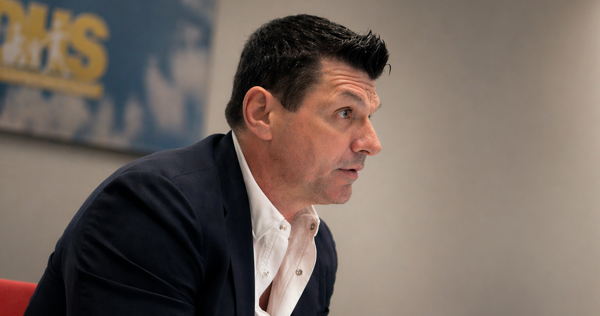
 Second Story Foundation Executive Director Jim O’Connor discusses the ranch’s long-term recovery model during an interview at Governors State University. (credit: Second Story Foundation)
 Jim O’Connor shares a quiet moment with a horse inside the main barn at Second Story Ranch in Crete, Illinois. (credit: Second Story Foundation)
 Jim O’Connor, founder and executive director of the Second Story Foundation, sits on a fence rail at Second Story Ranch in Crete, Illinois. (credit: Second Story Foundation)
 Jim O’Connor discusses state budget priorities during an interview on FOX 32 Chicago’s “Chicago Report” segment in April 2026. (credit: Second Story Foundation)
 Jim O’Connor walks across the drive outside the main barn at Second Story Ranch, a former harness racing training facility in Crete, Illinois. (credit: Second Story Foundation)
 Jim O’Connor speaks about addiction recovery and community-based care during a media interview in Chicago. (credit: Second Story Foundation)
 Jim O’Connor at the Illinois General Assembly chambers at the State Capitol in Springfield during Governor J.B. Pritzker’s budget address in February 2026, as lawmakers convene inside. (credit: Second Story Foundation)
 Jim O’Connor smiles while standing in the barn at Second Story Ranch, where the Second Story Foundation is building a long term residential recovery program for men. (credit: Second Story Foundation)
 Jim O’Connor, founder and executive director of the Second Story Foundation. (credit: Second Story Foundation)
 Jim O’Connor walks Clooney, a draft Clydesdale, through a pasture at Second Story Ranch, highlighting the ranch’s work based approach to recovery and care. (credit: Second Story Foundation)
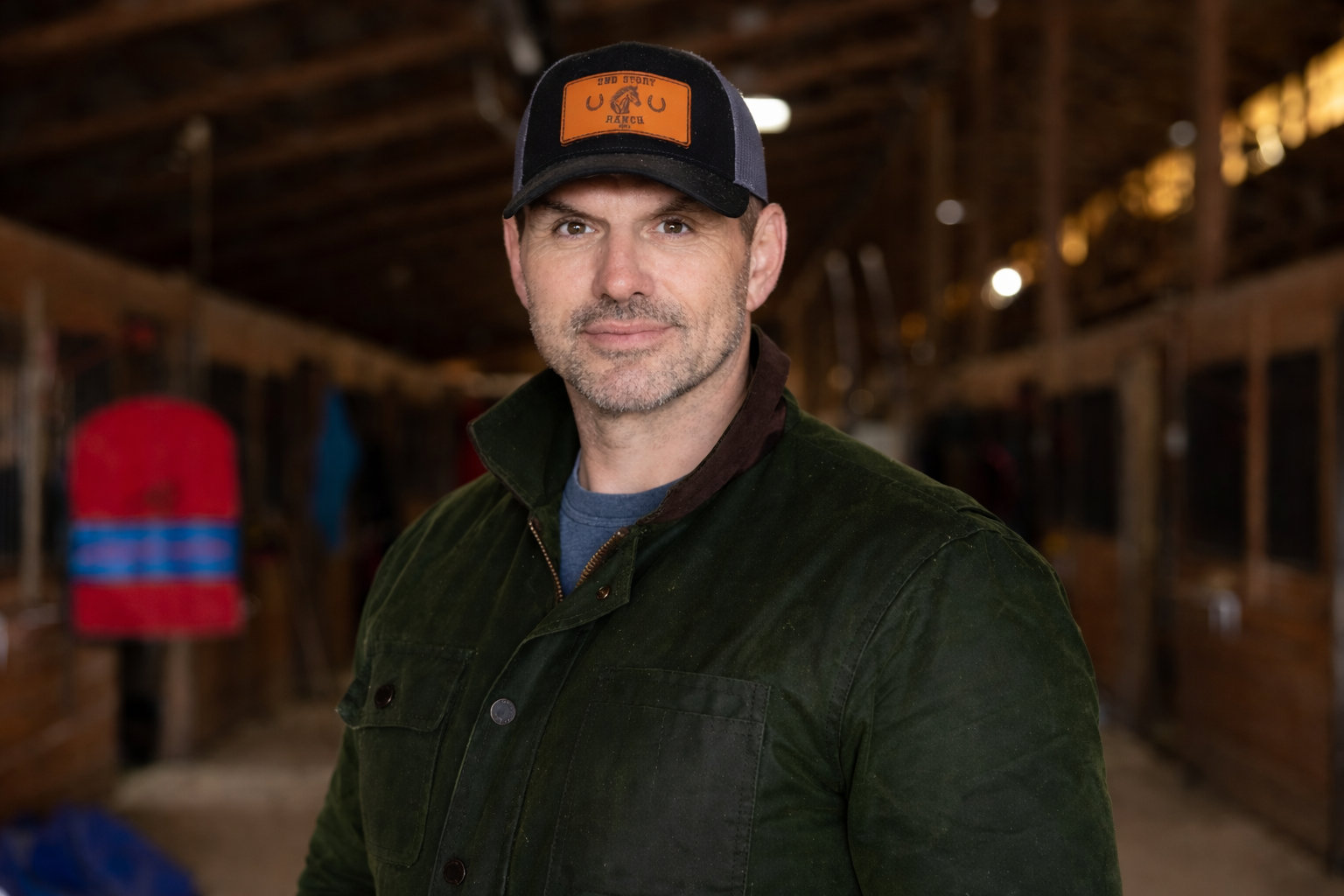
 Second Story Foundation Executive Director Jim O’Connor stands in the main barn aisle at Second Story Ranch. (credit: Second Story Foundation)
 Jim O’Connor rides Clooney, a draft Clydesdale, in the outdoor arena at Second Story Ranch. (credit: Second Story Foundation)
 Jim O’Connor, founder and executive director of the Second Story Foundation in Crete, Illinois. (credit: Second Story Foundation)
 Jim O’Connor, founder and executive director of the Second Story Foundation, inside the barn at Second Story Ranch. (credit: Second Story Foundation)

Ryan Arnold