Meet Jim O’Connor, Founder and Executive Director of Second Story Foundation
From his own recovery to leading one of Illinois’ most hopeful new programs, Jim O’Connor is helping men rebuild their lives with work, compassion, and community.
Jim O’Connor understands what it means to begin again. Nearly a decade ago, he was homeless and struggling with severe alcoholism. His future looked uncertain. Entering recovery in 2016 became the turning point that reshaped his life and purpose.
Through that experience, O’Connor discovered that lasting recovery grows through structure, work, and love put into action. He found these elements on a farm, where steady labor and reflection rebuilt his sense of self. "The work-based program was transformational," he said. "The amount of love I received from people in the recovery community changed everything."
"When someone enters our program, the first thing we tell them is, ‘Welcome home. We love you.’ For many of them, those words change everything."
-Jim O’Connor, Founder and Executive Director, The Second Story Foundation
That transformation guided him toward helping others. With a degree in addiction studies and certification as an alcohol and drug counselor, O'Connor began restoring two suburban homes into recovery residences. By 2025, he raised $1 million in private funding to purchase a 68-acre horse farm in Crete, Illinois. The property became The Second Story Ranch, a long-term recovery and jobs program where men rebuilding their lives after substance use disorder work with the land and care for horses while receiving counseling, financial education, and job-readiness training. "When someone enters our program, the first thing we tell them is, 'Welcome home. We love you,'" O’Connor said. "For many of them, that is the first time they have heard those words in years."
Today, O’Connor is a Certified Alcohol and Drug Counselor (CADC), the founder and executive director of Second Story Foundation, and vice president of the board for the Recovery Community Center of Joliet. In addition to leading the Foundation’s daily operations, he continues to mentor others in recovery, strengthen community partnerships, and advance long-term care models that connect housing, work, and healing. Before launching Second Story, he worked with The Guildhaus, a renowned, high support 3.1 Residential Treatment Home
He has met privately with senior officials at the Substance Abuse and Mental Health Services Administration (SAMHSA), the Centers for Disease Control and Prevention (CDC), and the Department of Health and Human Services (HHS) to discuss community-based approaches to long-term recovery and workforce reintegration. He has also met with policy advocates and lobbyists and has advised Illinois state legislators on substance use disorder, recovery housing, and workforce policy.
He has been featured by WGN, Fox 32 Chicago, and the Chicago Tribune for his leadership in developing community-based recovery programs across the Chicago area. He frequently participates in conferences and community discussions on long-term recovery, housing, and workforce development.
Thought Leadership
Jim O’Connor continues to shape the conversation around long-term recovery, housing, and community-based care through his writing and public speaking. His essays, position papers, and panel appearances draw on both lived experience and professional insight.
A Case for Sobriety: National policy needs a recovery strategy that matches today’s addiction crisis
Jim O’Connor argues that while harm reduction strategies save lives, they often fail to promote long-term recovery. He calls for renewed investment in abstinence-based housing and programs that support purpose, dignity, and stability. Sobriety, he contends, should remain the foundation for lasting reintegration and healing. Read the full article.
Executive function should be part of the nation’s recovery strategy
Jim O'Connor identifies how Adverse Childhood Experience (ACE) scores and chronic substance use degrade executive functioning, weakening decision-making, emotional regulation, and long-term planning. Without targeted recovery support, these impairments reinforce relapse and public system dependency. Recovery programs must rebuild executive function alongside achieving sobriety. Read the full article.

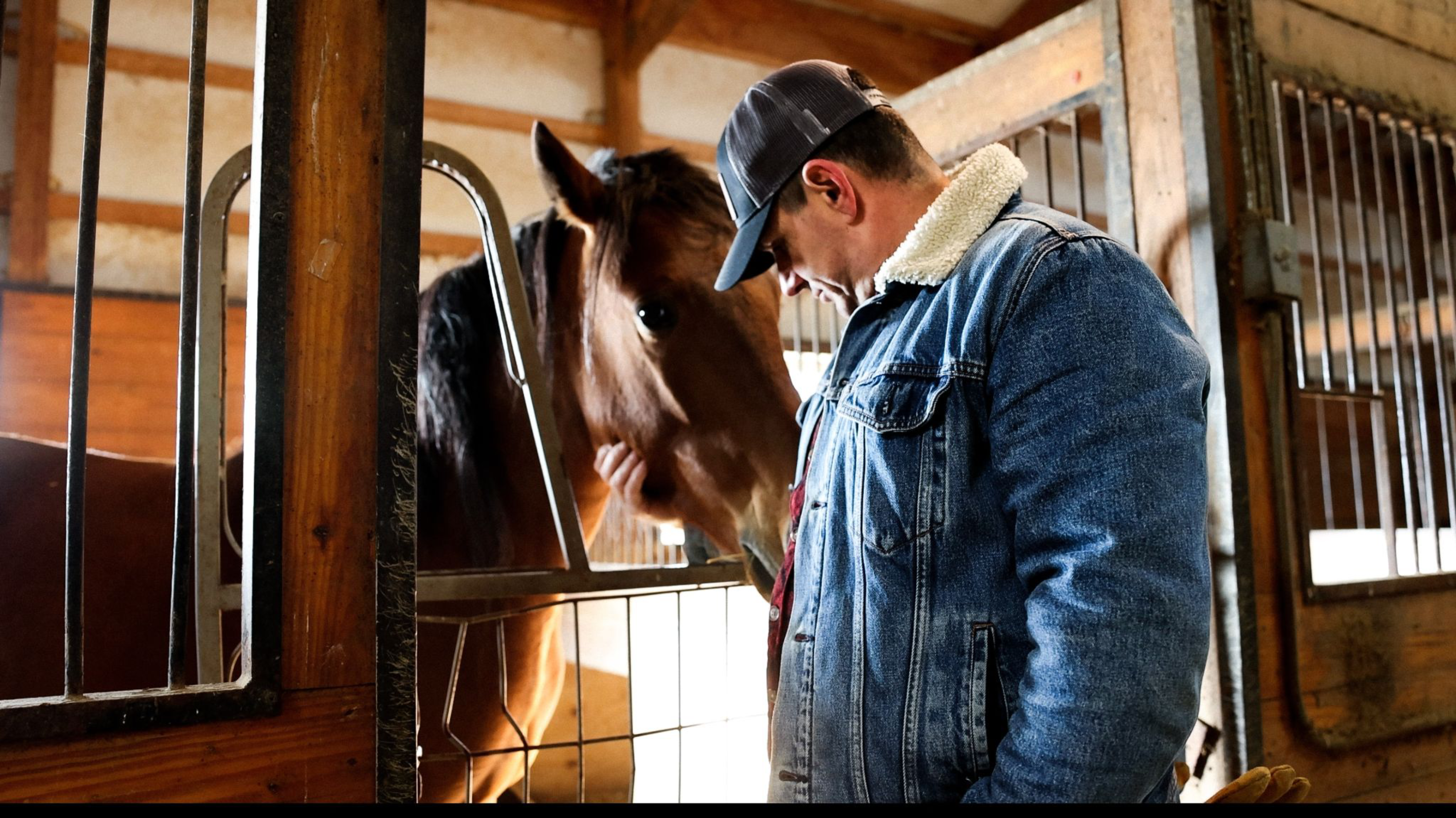
 Jim O’Connor, founder and executive director of the Second Story Foundation, inside the barn at Second Story Ranch. (credit: Second Story Foundation)
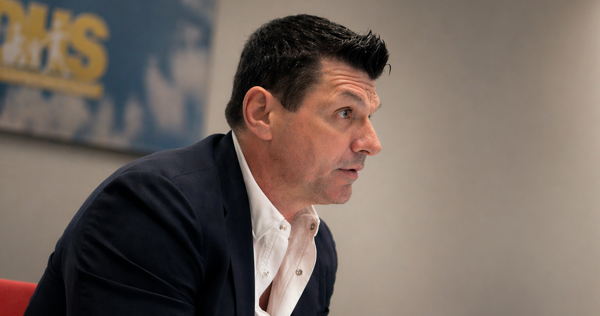
 Second Story Foundation Executive Director Jim O’Connor discusses the ranch’s long-term recovery model during an interview at Governors State University. (credit: Second Story Foundation)
 Jim O’Connor, founder and executive director of the Second Story Foundation, sits on a fence rail at Second Story Ranch in Crete, Illinois. (credit: Second Story Foundation)
 Jim O’Connor walks across the drive outside the main barn at Second Story Ranch, a former harness racing training facility in Crete, Illinois. (credit: Second Story Foundation)
 Jim O’Connor speaks about addiction recovery and community-based care during a media interview in Chicago. (credit: Second Story Foundation)
 Jim O’Connor smiles while standing in the barn at Second Story Ranch, where the Second Story Foundation is building a long term residential recovery program for men. (credit: Second Story Foundation)
 Jim O’Connor, founder and executive director of the Second Story Foundation. (credit: Second Story Foundation)
 Jim O’Connor walks Clooney, a draft Clydesdale, through a pasture at Second Story Ranch, highlighting the ranch’s work based approach to recovery and care. (credit: Second Story Foundation)
 Second Story Foundation Executive Director Jim O’Connor stands in the main barn aisle at Second Story Ranch. (credit: Second Story Foundation)
 Jim O’Connor rides Clooney, a draft Clydesdale, in the outdoor arena at Second Story Ranch. (credit: Second Story Foundation)
 Jim O’Connor, founder and executive director of the Second Story Foundation in Crete, Illinois. (credit: Second Story Foundation)

Ryan Arnold