When Recovery No Longer Protects Recovery
by Jim O'Connor, CADC | February 5, 2026
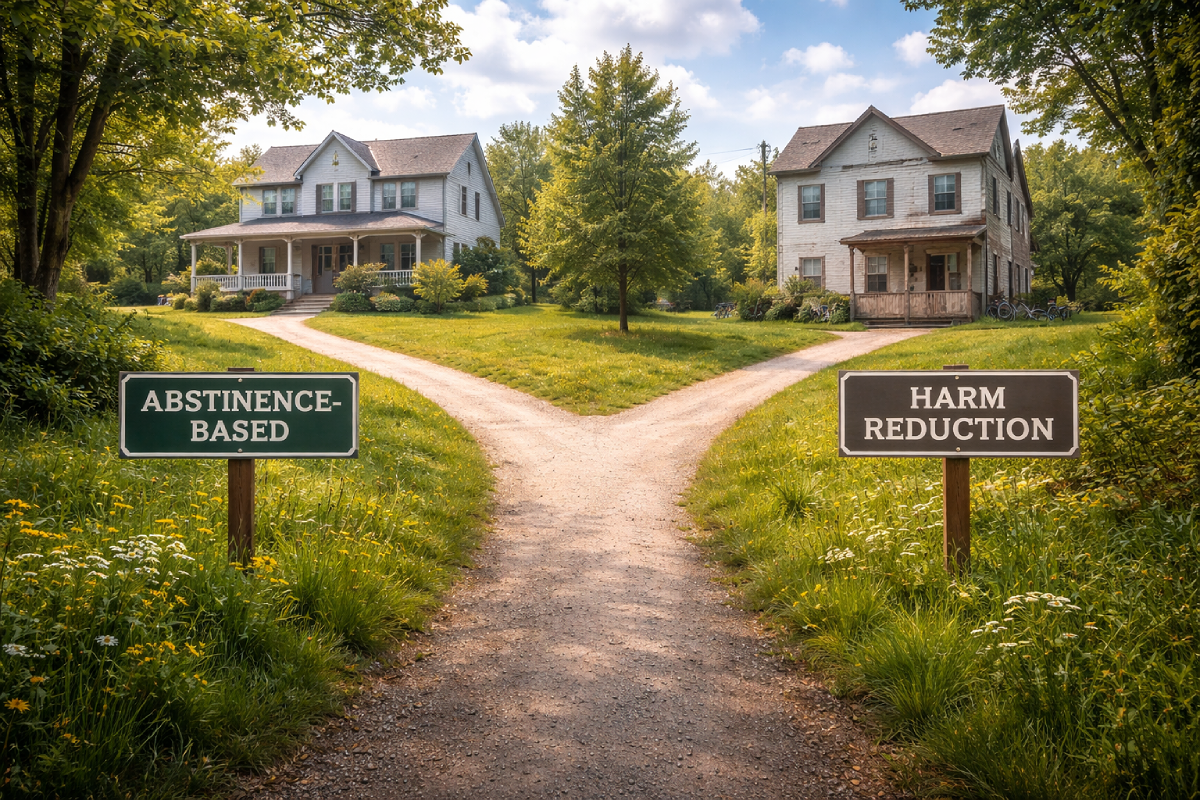
Illinois officials warn that calling low-barrier, harm-reduction housing “recovery homes” blurs a key distinction, since traditional recovery housing is abstinence-based and designed for people leaving treatment. Using the same label can redirect resources away from programs that protect sobriety and support long-term recovery. Illinois should prioritize investment in abstinence-focused housing, employment, and structured supports that lead to self-sufficiency.
In recent Illinois Opioid Remediation Advisory Board discussions, several working group members raised an important concern: calling low-barrier, non-abstinence housing "recovery homes" may be misleading.
That concern deserves more daylight.
In Illinois—and nationally—the term recovery housing has long carried a specific meaning. It refers to abstinence-based, substance-free environments designed to receive people after treatment, protect early sobriety, provide structure, and support re-entry into work and community life.
Low-barrier, harm-reduction housing is something different.
Different goals.
Different rules.
Different outcomes.
Neither approach is morally illegitimate. But they are not interchangeable interventions, and collapsing them under the same label obscures critical distinctions in purpose and function.
This matters because language drives policy.
When we redefine recovery housing to remove abstinence, we don’t just change semantics—we change who the system is built to serve. We quietly shift resources away from people exiting residential treatment who are actively trying to stay sober, work, and rebuild their lives.
Those treatment episodes are overwhelmingly Medicaid-funded—public dollars already spent. Recovery housing exists to protect and compound that investment.
If abstinence is optional, recovery becomes accidental.
If expectations disappear, outcomes follow.
If everything is called recovery, then nothing really is.
We are disproportionately funding the management of addiction and dependency, while starving the pathways that actually lead to long-term recovery and self-sufficiency.
In the next installment, I’ll turn to what’s possible: Illinois Opioid Settlement capital, the DCEO Recovery Home Pilot Program, and a different way of investing—one that builds recovery homes, meaningful work, inspirational achievement, and real exits from dependency for people rebuilding their lives.